
Watching vultures in the Vercors
A spot notebook
A griffon vulture in the Vercors sky is near-guaranteed between May and September if you pick the right time of day and the right slope. A bearded or cinereous vulture is rarer, more satisfying. Here are the bearings we wish we had had before our first outings with binoculars, after a fair share of mistimings and bad readings.
When to head out for vultures
The window that works: 10 am to 4 pm in the warm season. Thermals need the ground to have had time to warm. In April and May, that shifts to 11 am or noon. In July and August, it can start at 9 am on well-exposed slopes. We have tried arriving at a col at 8 in the morning. It is a fine moment for plateau silence, but not for vultures.
Conditions: warm day, partly cloudy or clear sky, light wind. Strong wind flattens the thermals, the birds fly low or stay perched. A fully clear sky with dry ground gives the best passages. A building storm empties the sky: vultures anticipate it and go home.
In winter, griffons have largely dropped down to the Baronnies and the lower Drôme valley. The cinereous stays more present in the south. The bearded vulture can be seen year-round on the Highlands, with more frequent passages in late summer when juveniles disperse.
Where to go in the Vercors
Central plateau and northern ridges
- Crêtes de la Molière: col, antenna, path towards the Sornin. Wide viewpoint over the western slope, with thermals rising from the Isère cluse.
- Pas de l’Œille and Pas de la Ville: access from Villard-de-Lans, ridge flyovers between Highlands and Trièves.
- Grand Veymont: the highest point of the massif, long access, clear view over all the southern Vercors.
Western foothills and Royans
- Combe Laval: from the Col de la Machine, dramatic cliffs, frequent passages on the Royans side. A good late-morning spot.
- Col du Rousset: southern limit of the massif, closer to the breeding population. Often the most active spot for bird numbers.
Southern foothills and beyond
- Cirque d’Archiane (Diois): historic cliffs, a reintroduction site with active monitoring and a signposted educational path.
- Chamaloc and the Drôme valley: a transit axis between Vercors and Baronnies, to combine with a visit to the Maison des Vautours in Rémuzat if you go further down.
We regularly base our outings around these spots. The Col du Rousset gave us the best densities, the Grand Veymont the best silhouettes, the Molière the best compromise when leaving from Villard-de-Lans or Autrans.
What gear for vulture watching
Binoculars: 8×42 or 10×42. That is the standard for all-round mountain use. The 10×42 helps tell a cinereous from a griffon at long range, at the cost of a narrower field and a steadier hand. The 8×42 is more comfortable for tracking a bird in flight.
Spotting scope: useful only on an identified fixed point (perching cliff, roost). Optional for an observation outing away from breeding sites.
Other items: hat or cap against the sun, a fleece even in July (ridge wind cools you fast), water, a snack. A quick ID guide can help on first outings.
Reading a flight
A few reflexes that have shortened our ID time:
- Size first. A vulture is two to three buzzards (triple buzzard). If you hesitate on size, it is probably a buzzard or a kite.
- Movement next. An eagle flaps. A vulture, almost never, in gliding flight. Five minutes without a wing-beat: it is a vulture.
- Head and tail. Pale head + short square tail: griffon. Dark head + bulky silhouette: cinereous. Diamond tail: bearded vulture. Small + sharp black-and-white: Egyptian vulture (rare).
Full details on the Vercors vultures and raptors pillar page and on the eagle or vulture sheet. For the cultural dimension of these birds: the vulture in history.
A few mistakes in the field…
The day we set up at the Col du Rousset at 11 am, too early, with a clear sky but ground still cold after a cool night: not a single bird for an hour and a half, then suddenly, four griffons and a cinereous in fifteen minutes. Moral: miss the thirty-minute window and you miss the whole session.
The day we mistook a juvenile golden eagle for a cinereous vulture against the light on the Highlands. The plumage was uniformly dark, the size looked large. What gave it away: the silhouette flapped every thirty seconds. Not a vulture.
The day we stayed on the Molière in a 40 km/h north wind, thinking the thermals would hold: zero vultures, two crows. Strong wind flattens everything.
Respecting the birds
A few reflexes are worth holding to so we don’t degrade what we came to watch:
- stay at distance from identified perching cliffs (more than 300 metres);
- do not approach open carcasses if birds are on the ground: they spend huge amounts of energy to take off again;
- avoid motorised flyovers, paragliders, drones (banned in sensitive zones and disturbing for breeders);
- report sightings to the local network (LPO Rapaces, Vautours en Baronnies, Vercors park) to feed the monitoring (particularly for the Egyptian vulture).
The birds give us a lot when we watch them calmly from a safe spot. We owe them a minimum distance in return. The grandest griffon of the Vercors will always weigh less than an undisturbed pair finishing off rearing their young in peak season.
Going out with a guide
Private outings or joining a group, see Vulture watching with us. The binoculars, the slope choice depending on weather, the patience to hold the window until it happens.
- On the trail of
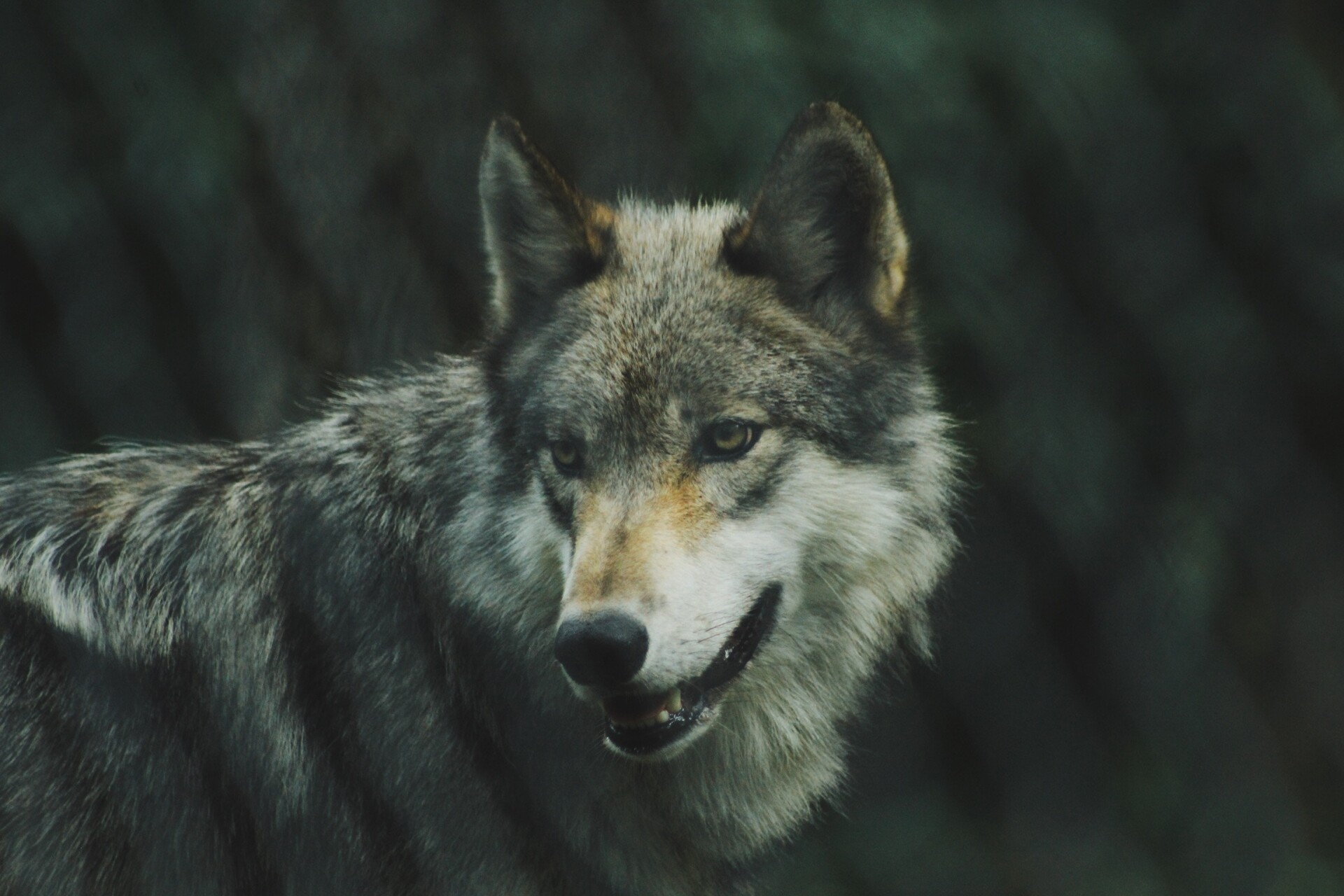
Wolves of the Vercors
- Watching the
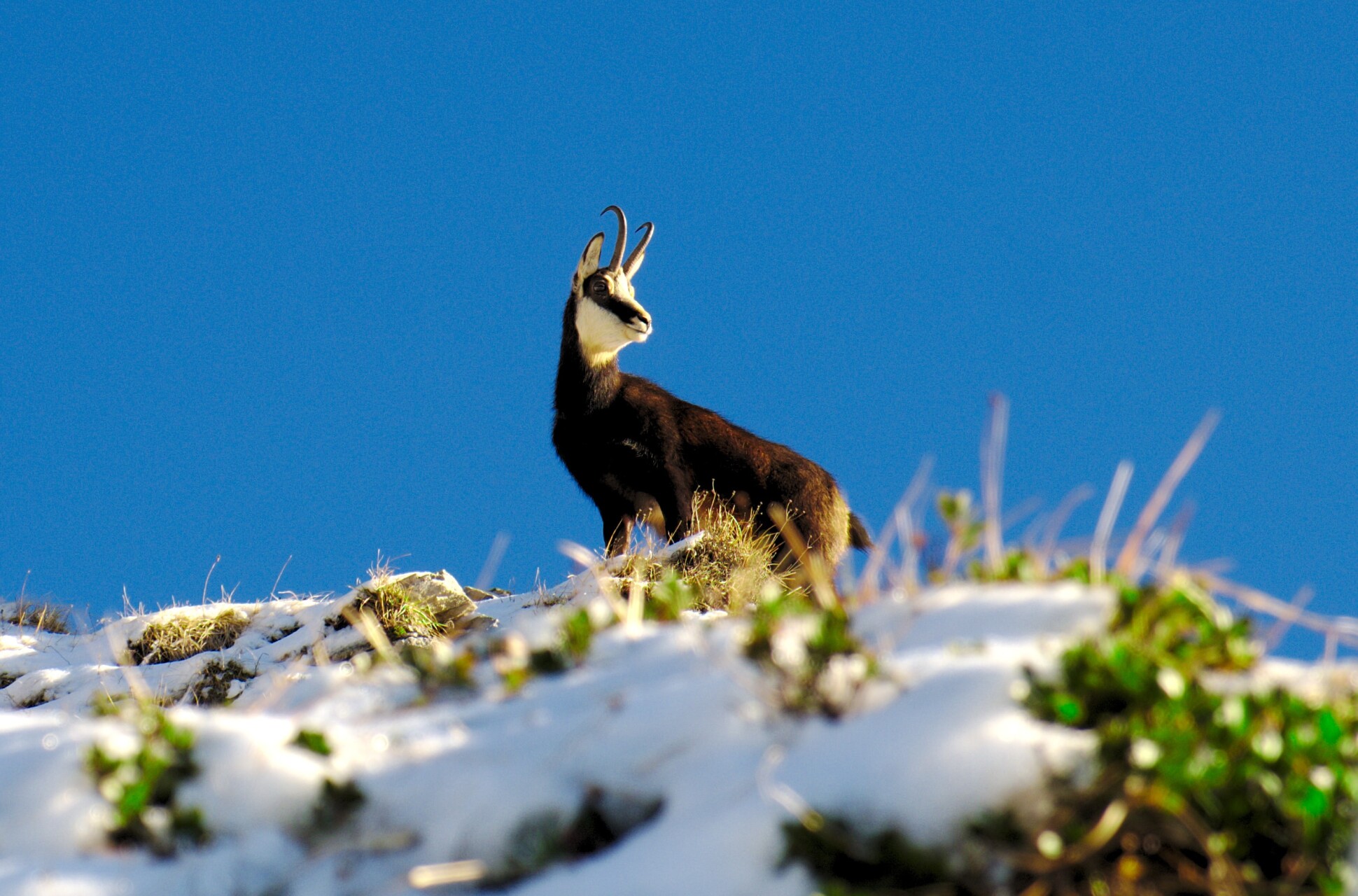
Alpine Chamois - Vercors


